
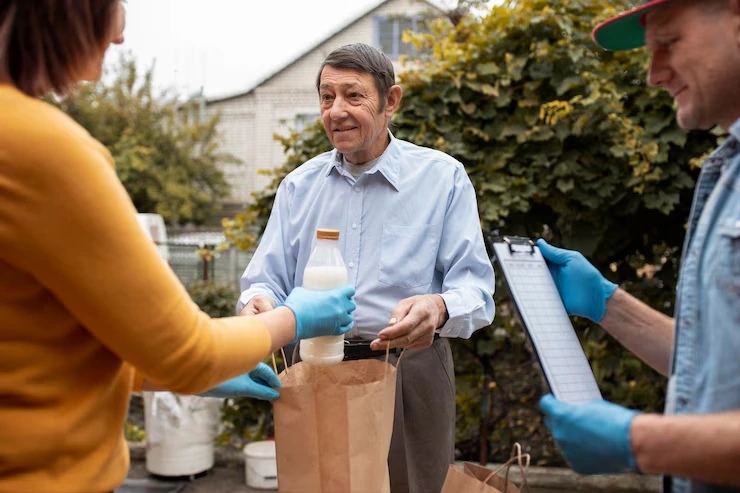
Wildfires in California. Flooding in Yorkshire. Tornadoes in Oklahoma. Ice storms in Montréal. Disasters don’t give notice — and when they arrive, the need for food is instant, relentless, and unforgiving. Meals aren’t a side operation. They are logistics, morale, and survival wrapped into one plate.
We supply the catering infrastructure to serve up to 15,000 meals per day, in some of the most unstable, under-resourced, or inaccessible conditions across the UK, Europe, USA, and Canada. Whether you’re coordinating through FEMA, the NHS, Public Safety Canada, or a regional emergency response office, we match the urgency — and outperform the standard.
Book A Logistics Briefing — See How We Deliver 10,000 Meals In 12 Hours
Field-Ready Service Modules
Each module is engineered for speed, flexibility, and high-volume service under emergency conditions. Whether you’re on a runway, at a flood camp, or near a collapsed communications grid — we deliver consistency when nothing else is stable.
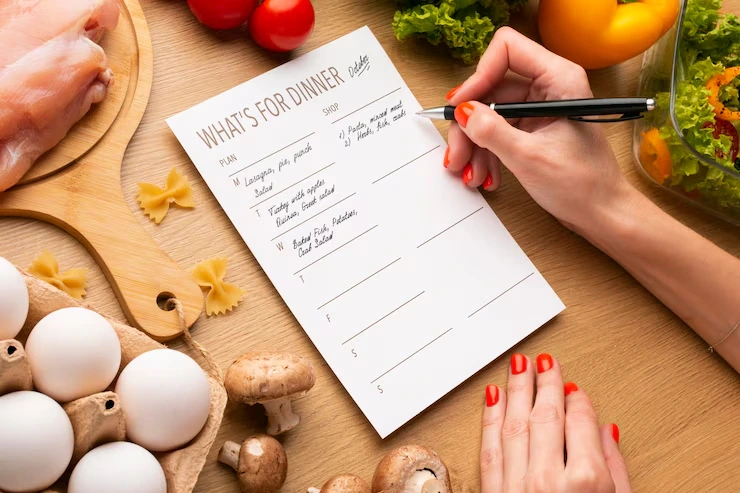
Rapid Assessment & Menu Planning
In a disaster zone, numbers change by the hour. You can’t plan static meals when your population and personnel move.
Problem
Headcounts swing by up to 25 % as evacuees arrive or redeploy.
Solution
Team leads run 30-minute on-site audits, then push updated menus and purchase orders to nearby depots in genuine time.
Why It Matters
Reduces surplus ingredients by 18 % and focuses calories where they’re needed first.
Mobile Field Kitchen Deployment
Fixed infrastructure collapses during major incidents — from power grids to prep stations.
Problem
Fixed kitchens drown, burn, or lose power when disasters hit hardest.
Solution
ISO kitchens pre-stocked in Liverpool, Rotterdam, Jacksonville, and Halifax roll within two hours, each rated for 2,000 portions an hour.
Why It Matters
Keeps food above 63 °C / 145 °F despite power cuts or road closures.
Arrange A Supply Check-In — Match Kitchen Capacity To Your Worst-Case Scenario
Mass Meal Distribution & Queue Control
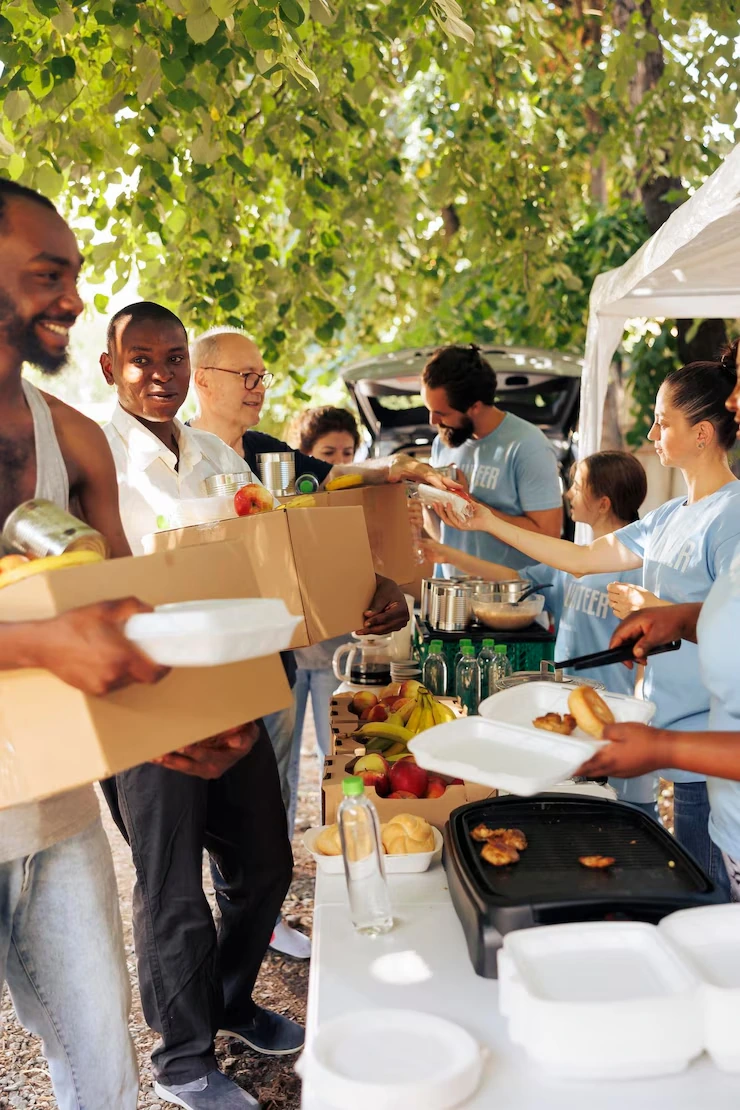
Getting food to people fast isn’t just a comfort issue — it’s tied directly to crowd control and operational success.
Problem
Long lines slow aid hand-offs and raise security risks.
Solution
Barrier-guided lanes, scan-based portion stamps, and staggered service windows limit waits to under 15 minutes.
Why It Matters
Moves 1,200 people per hour through a single serving point, easing site congestion.
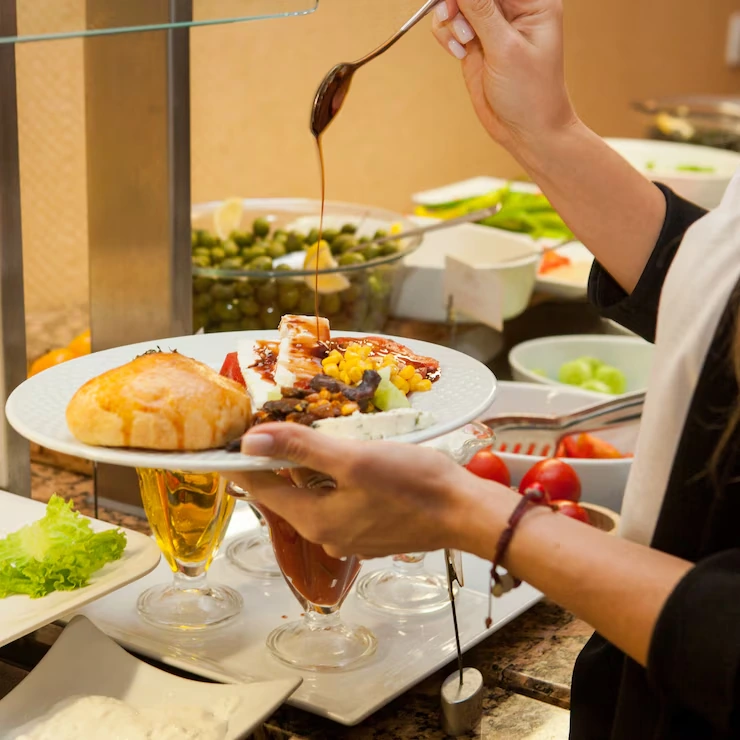
Special Dietary Accommodation
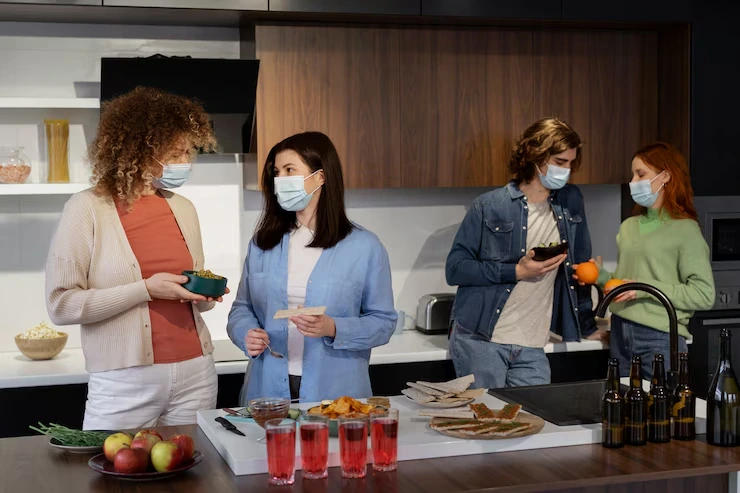
Every evacuee should be fed safely. That includes those with allergies or dietary restrictions — often overlooked in emergencies.
Problem
Allergy or faith-based diets are often ignored in bulk feeding.
Solution
Colour-coded trays and triple-sealed prep zones mark vegan, halal, kosher, and gluten-free lines.
Why It Matters
Hits 100 % dietary compliance, avoiding medical incidents linked to mis-served food.
Cold-Chain Beverage & Hydration Stations
Hot zones — literal and operational — mean hydration isn’t optional. It’s life-saving.
Problem
Heat and smoke dehydrate crews faster than meals can re-hydrate them.
Solution
IBC-mounted chillers dispense fortified drinks at 5 °C; telemetry pings if temps drift.
Why It Matters
Cuts heat-related crew dropouts by 22 % on wildfire deployments.

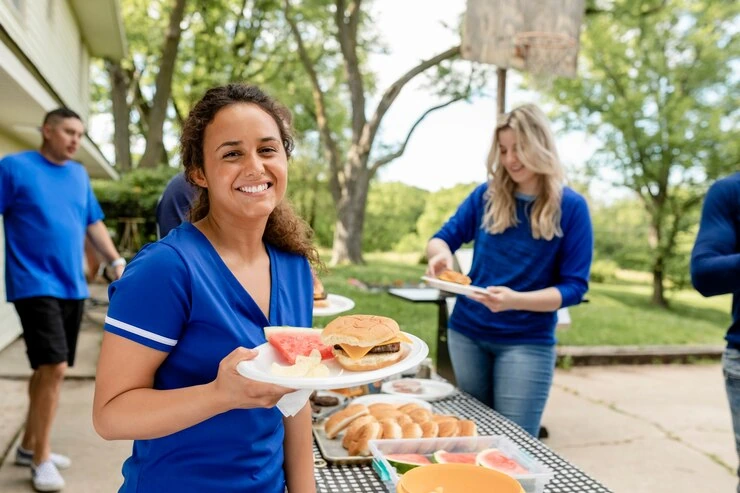
Volunteer & Response Crew Feeding
If your first responders leave their station to eat, you’ve lost momentum and response time.
Problem
First responders can’t leave post for meals.
Solution
Roaming meal carts with GN pans keep servings above threshold temperature for three-hour stretches.
Why It Matters
Adds 90 extra minutes of operational uptime per responder per shift.
Waste Management & Sanitation
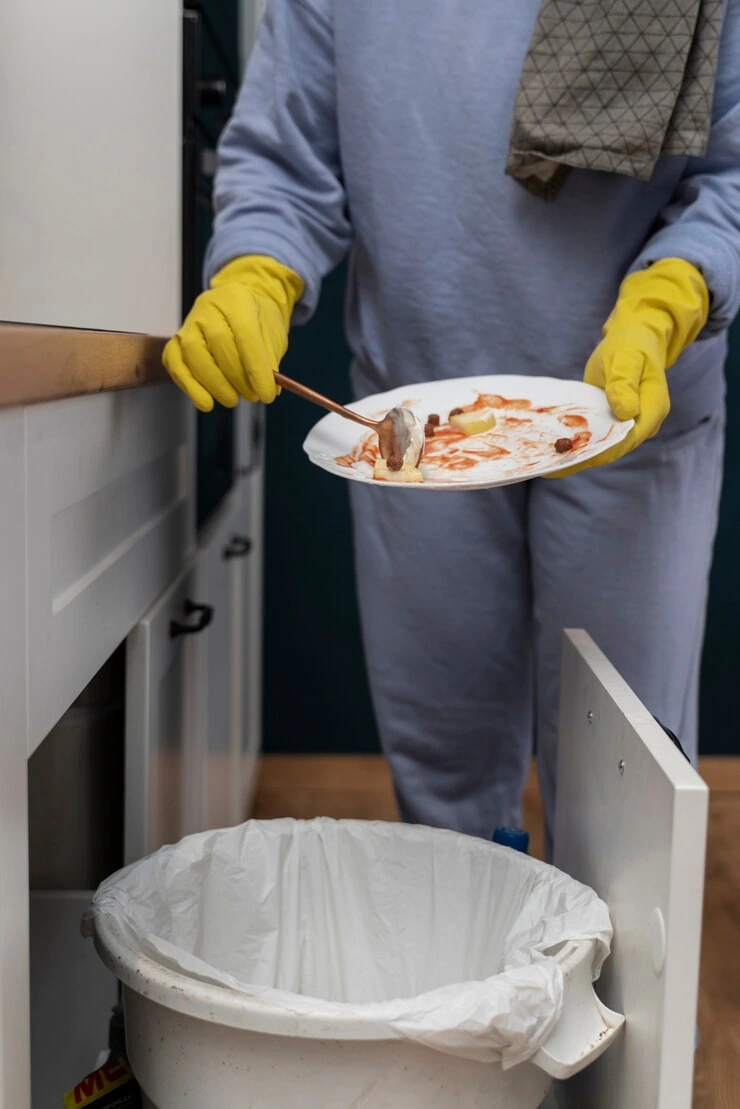
Post-meal cleanup in disaster zones has to be rapid, hygienic, and minimally disruptive.
Problem
Food scraps attract pests and breach hygiene codes.
Solution
On-site macerators pulp organics into sealed digesters; grey water passes EU Category 3 specs before disposal.
Why It Matters
Shrinks landfill runs by 40 % and keeps sanitation flags at zero during audits.
Data & Compliance Reporting
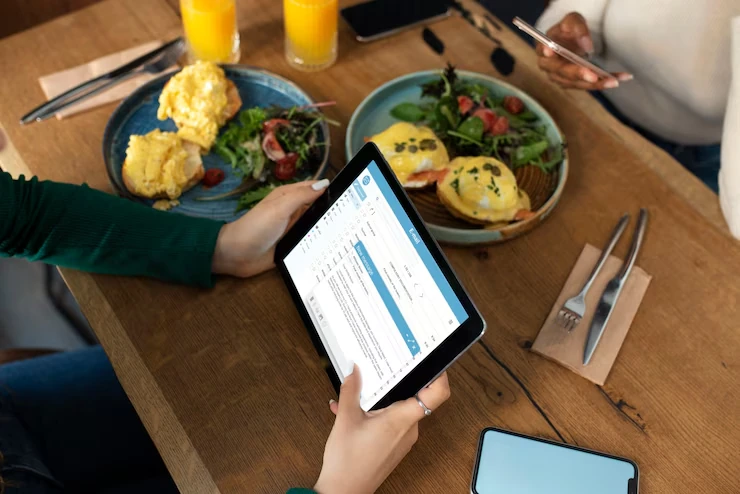
Auditors don’t accept excuses — especially when federal or emergency funding is involved.
Problem
Relief grants demand proof of spend and safety compliance.
Solution
Every batch, temp log, and allergen record streams to a cloud dashboard accessible by NHS, FEMA, or Public Safety Canada auditors.
Why It Matters
Speeds grant reconciliation by 30 % and clears inspections on first pass.
Why Agencies Choose Our Contract Model
Emergency agencies don’t have time for errors, vague SLAs, or unknown food origins. Our contracts are designed for accountability under pressure — with hard metrics, hard deadlines, and zero ambiguity. We work inside your framework — not around it.
- On-Target SLAs — 99 % meal timing, with liquidated damages for misses
- Food-Safety Codes Built In — HACCP, FDA, EFSA, CFIA compliant from depot to tray
- genuine-Time Reporting — live cost-per-cover, waste tonnage, and caloric output dashboards
Reserve A Response Slot — Our Mobile Kitchens Book Out Early Each Season

FAQs
Kitchens rolling in four hours, first meals plated by hour eight.
Yes, with depots in the UK, mainland Europe, US East Coast, and Atlantic Canada.
Colour-coded prep lines and sealed serving gear keep cross-contact below 5 ppm.
£4.90 (UK), €5.60 (EU), $6.20 (US), CAD 7.90 — all inclusive.
Temp tags log every 60 seconds; any breach triggers SMS and auto-reroute to backup stock.
Ready To Keep Survivors Fed And Crews Operational?
Disasters move fast; hunger moves faster. One briefing gives you a clear, tested plan to feed thousands without missing a beat.
Lock In Your Briefing — Meals Where And When They’re Needed Most