
When disaster strikes, food becomes more than a necessity — it becomes logistics, coordination, and control. Earthquakes in Türkiye. Cyclones in Mozambique. Wildfires in Alberta. Flooded towns across Yorkshire. Crisis zones require fast, consistent, and scalable food supply solutions, especially when infrastructure fails and the clock starts ticking.
Our crisis zone bulk food supply services are built for rapid deployment and large-scale delivery. We work within FEMA, WFP, NHS, and Public Safety Canada frameworks, scaling meal production to serve up to 20,000 hot meals per day across unstable, high-pressure environments. With mobile kitchens, ration depots, queue systems, and live compliance reporting, our crews turn chaos into structure — and hunger into predictable calories on trays.
Food logistics shouldn’t stall rescue efforts. It should keep them moving.
Book A Readiness Briefing — See How We Stage 12-Hour Meal Waves Anywhere
Modular Food Response Units For High-Risk Zones
These units can be deployed independently or integrated into regional or international responses. Whether you’re working under a UN cluster, a Red Crescent field hospital, or a NATO humanitarian corridor, our supply structure fits into your operation without disruption.
Rapid Needs & Menu Mapping
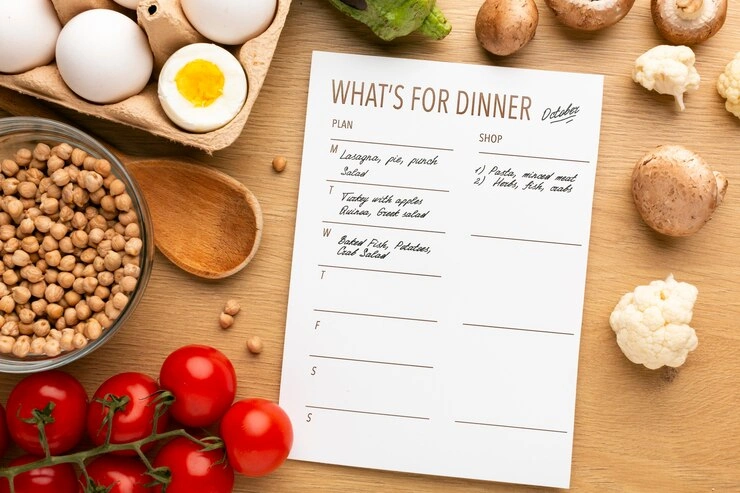
Meal counts are fluid in the first 48 hours of a crisis. Survivor headcounts rise as rescue routes open. Your nutrition strategy needs to adjust with each update.
Problem
Initial meal forecasts quickly become outdated, leading to underfed zones or wasted inventory.
Solution
Our team runs 20-minute ground assessments per shift and feeds updated headcounts to depot kitchens via satellite uplink, syncing menus and quantities in genuine-time.
Why It Matters
Prevents over-purchasing and underfeeding. Cuts surplus ingredient waste by 18 %, focusing calories where they’re needed most.
Mobile Field Kitchen Convoys
Power outages. Destroyed roads. Water-contaminated kitchens. Crisis zones are unforgiving — and immobile kitchens don’t belong in mobile disasters.
Problem
Permanent food prep infrastructure collapses during most large-scale emergencies.
Solution
We deploy ISO container kitchens, preloaded in ports across Rotterdam, Dubai, Houston, and Durban. Each unit produces up to 2,500 meals per hour, powered by internal generators, with HACCP-compliant workflows.
Why It Matters
Ensures uninterrupted meal prep at safe temperature levels (above 63 °C / 145 °F) regardless of environment. Keeps teams fueled when local kitchens can’t operate.
High-Volume Distribution Lanes
Crowd control and nutritional delivery must go hand-in-hand. Our distribution architecture is designed to move thousands through lines safely, quickly, and without disorder.
Problem
Without structure, food queues become security risks and create confusion at critical handoff points.
Solution
Our setup includes portable fencing, pre-numbered wristbands, and staggered distribution windows. Each lane is staffed and clocked to maintain constant throughput.
Why It Matters
Maintains an output of 1,200 people per hour through each feed point, reducing police intervention and hospital incidents related to crowd stress.
Special Diet Stations
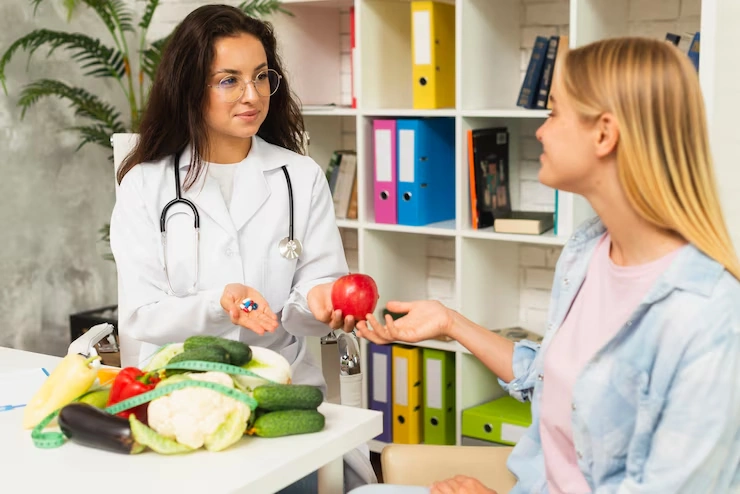
Every person deserves safe nutrition — including those with allergies, intolerances, or faith-based dietary requirements. Crisis does not cancel medical needs.
Problem
Standard rations often neglect dietary requirements, risking allergic reactions or non-compliance with cultural/religious rules.
Solution
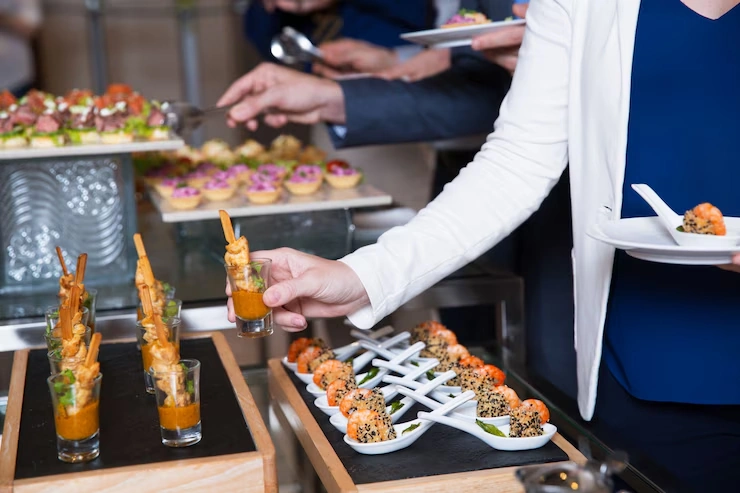
We run multiple meal lines using colour-coded trays and sealed prep kits for halal, kosher, gluten-free, vegetarian, and peanut-free meals. Separate cooking gear and prep teams ensure zero crossover.
Why It Matters
Delivers 100 % dietary compliance with <5 ppm cross-contact risk. Keeps evacuees out of field clinics and ensures dignity in nutrition delivery.
Hydration & Electrolyte Units
In high-heat zones or conflict areas with protective gear requirements, dehydration is the silent risk that hits hardest. Food alone isn’t enough.
Problem
In hot, high-stress environments, dehydration can sideline crew members before their meal even arrives.
Solution
IBC-mounted chillers dispense fortified hydration beverages at 5 °C, fitted with IoT temperature sensors that send alerts if storage temperatures drift out of safe range.
Why It Matters
Reduces heat-related crew dropouts by 22 %, supporting sustained operational uptime in wildfire zones, cyclonic regions, or conflict deployments.

Responder Meal Shuttles
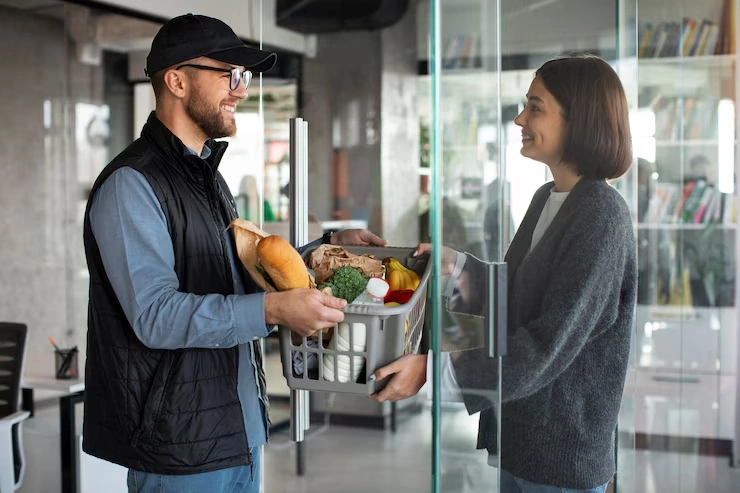
Search-and-rescue crews, paramedics, and medics cannot leave their stations to queue up for meals. Our system moves food to them, not the other way around.
Problem
Off-shift feeding pulls critical personnel away from their assigned zones for extended periods.
Solution
We deploy roaming meal trolleys that retain GN pans at safe serving temperatures for over 3 hours. Trolleys are scheduled per command rotation, arriving between operations or during scheduled cool-downs.
Why It Matters
Adds 90 minutes of available shift time per responder, reducing missed meals and improving continuity at command points.
Waste & Grey-Water Control
Hygiene management in crisis zones must operate without traditional sewage or waste systems. Food scraps and unfiltered grey water attract pests, violate compliance, and create secondary health emergencies.
Problem
Improper waste handling risks vermin, infection, and failed inspections.
Solution
We use mobile macerators for solid food waste, feeding sealed digesters. Grey water is filtered through on-site portable systems meeting EU Category 3 discharge standards.
Why It Matters
Reduces landfill output by 40 % and keeps kitchen zones free of vector hazards, allowing operations to pass sanitation audits with zero infractions.
Live Compliance Dashboards
Funding often depends on documentation — and your team doesn’t have time to manage paperwork during crisis response.
Problem
Manual logs are easily lost, incomplete, or unusable for grant reconciliation.
Solution
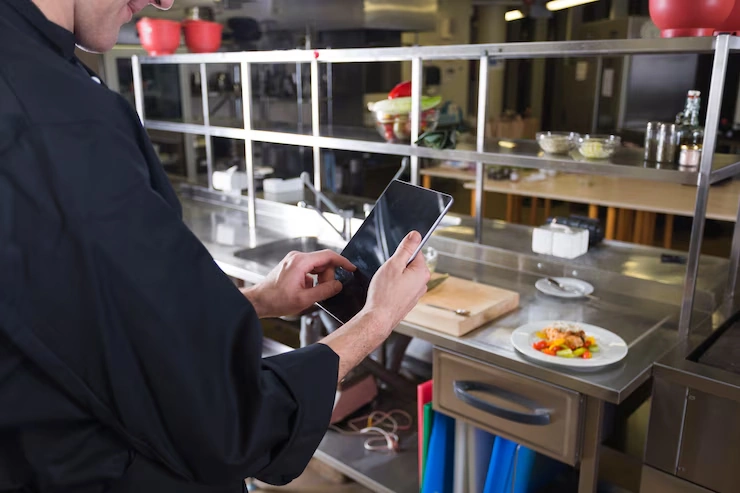
All food safety data (including allergen handling, temperatures, and quantities) is uploaded automatically to a centralized dashboard accessible to auditors, agencies, and donors.
Why It Matters
Speeds post-operation reporting and funding reconciliation by 30 %, and improves grant release timelines from major international bodies.
Why Agencies Choose Our Contract Model
When running operations across fault zones, refugee camps, or post-conflict areas, decision-makers can’t rely on vague promises or untracked processes. Our contracts are execution-proof. Every meal served is documented. Every calorie counted. Every deployment tied to clear outputs.
We’re called in when agencies need control over logistics without having to run them in-house. From national disaster offices to international NGOs, our model fits seamlessly into your response architecture.
- 99 % SLA Accuracy — on-time meal targets with liquidated damages built in
- Regulatory Coverage — HACCP, FDA, EFSA, CFIA compliant food handling and prep
- Live Visibility — cost-per-cover, calorie delivery, and waste data in genuine-time dashboards
Reserve A Kitchen Slot — Annual Deployments Fill Fast

FAQs
Our mobile kitchens begin prep within four hours of landing. First meals are served by hour eight.
Yes. With depots in the EU, Middle East, and North America, we regularly split teams to cover concurrent crises.
Separate lines and gear are used for each dietary category. Colour-coded trays and isolated prep workflows prevent contamination below the 5 ppm threshold.
£4.80 (UK), €5.50 (EU), $6.10 (US), CAD 7.80 (CA). Price includes logistics, staffing, and compliance tracking.
Temperature is recorded every 60 seconds by sensor tags. Breaches trigger genuine-time alerts and automatic routing to backup stock if thresholds are crossed.
Ready To Keep Crisis Zones Fed And Crews Operational?
Food can’t be the weak link in your emergency response. With the right partner, you’ll meet every need — across borders, timelines, and temperature zones. Our mobile food supply framework keeps people fed, operations running, and auditors satisfied.