
The UK’s catering sector is seeing strong momentum, especially at the premium end of the market. According to IBISWorld, the catering services industry in the UK generated over £1.2 billion in 2023, with luxury and bespoke dining experiences becoming key growth areas. Weddings alone contribute significantly, with over 252,000 marriages registered in England and Wales in 2022, many featuring upscale catering services. Meanwhile, corporate hospitality is recovering strongly, with event spending rising by 9.3% in 2023.
These numbers highlight two important points:
- Catering is not just bouncing back after pandemic restrictions but also shifting towards more selective, high-value services, driven by customer expectations for memorable experiences.
- This blog exists as a central reference point for luxury catering service trends in the UK. Event planners, researchers, and hospitality professionals can cite it to understand where the sector is heading, with a focus on current statistics, cultural shifts, and demand patterns.
We’ll cover:
- Key growth trends in luxury catering services across UK regions
- Consumer preferences in weddings, corporate, and private events
- Sustainability, menu curation, and experiential dining
- Data-driven insights into spending patterns
Growth of Luxury Catering in Weddings
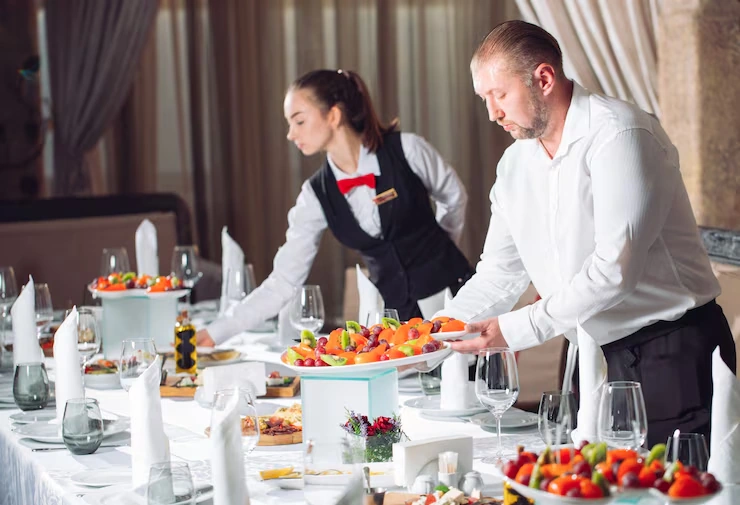
The wedding sector remains one of the strongest drivers of catering demand in the UK. Couples are increasingly opting for upscale dining that reflects personal taste, cultural traditions, and experiential flair.
Rising Demand for Premium Catering
- The average UK wedding cost rose to £24,710 in 2023. Catering represents one of the largest portions of this budget, often taking up 25–30% of total spend.
- In London and the South East, demand for luxury menus, such as multi-course fine dining, Michelin-inspired tasting experiences, and personalised drink pairings — has increased by 17% year-on-year.
- Post-pandemic, couples are prioritising fewer but higher-quality services. This means more investment in food, presentation, and service staff.
Regional Variations in Wedding Catering
Catering trends are not uniform across the UK:
- London & Home Counties: High demand for international cuisines, private chefs, and wine-paired multi-course dinners.
- Scotland: A rise in heritage-driven menus featuring local game, seafood, and whisky-infused dishes.
- Wales & Northern England: Rustic luxury is popular, with sharing platters, farm-to-table produce, and artisanal bakeries gaining traction.
Emerging Food Trends in Luxury Weddings
According to Kantar (2023–2024), couples are increasingly focusing on both exclusivity and sustainability:
- Plant-forward fine dining menus have grown by 22% in wedding catering packages.
- Heritage British ingredients, such as Cornish seafood and Yorkshire rhubarb, are being spotlighted as symbols of local pride.
- Dessert tables and multi-course tasting menus remain key attractions, with demand up by 15% since 2022.
Corporate Luxury Catering Trends in the UK
Corporate hospitality has re-emerged as a powerful driver of luxury catering demand across the UK. Businesses are investing more in client-facing events, employee recognition, and conferences, using food and service as a reflection of brand identity.
Rebound in Corporate Event Spending
- UK corporate event spending rose by 9.3% in 2023.
- The average per-head spend for luxury corporate catering in London has reached £120–£150, nearly double pre-pandemic averages.
- Financial services, tech firms, and law practices are among the highest spenders, particularly for executive dinners and networking receptions.
Types of Corporate Catering in Demand
Different corporate event types are shaping menu and service expectations:
- Networking receptions: Canapés, grazing tables, and high-end cocktail service.
- Executive board dinners: Michelin-inspired tasting menus and curated wine pairings.
- Product launches: Themed dining with bespoke food stations.
- Staff recognition events: Luxury buffets and interactive chef-led cooking stations.
Regional and Sector Variations
- London & Manchester: Tech and finance firms dominate demand for ultra-premium experiences, including private chefs and imported delicacies.
- Birmingham & Leeds: Growing interest in luxury catering for conferences and trade shows, with corporate clients seeking both fine dining and experiential food concepts.
- Edinburgh & Glasgow: Strong pull from financial institutions and law firms for high-end private dining at historic venues.
Private Luxury Catering for Exclusive Events
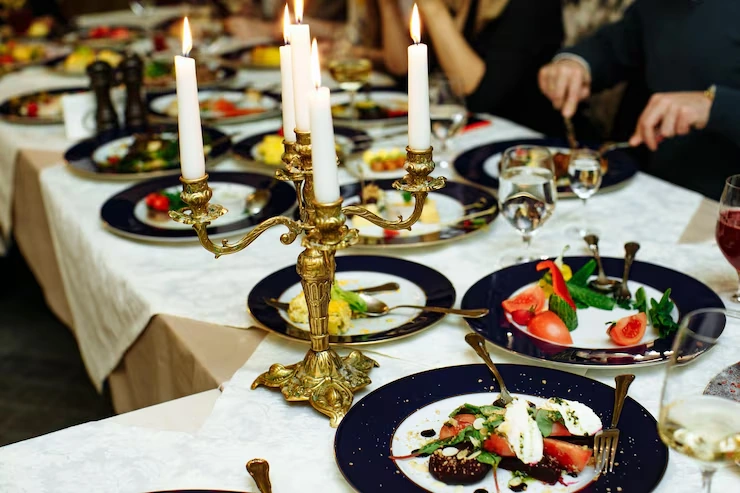
The demand for high-end catering extends well beyond weddings and business functions. Across the UK, private events such as milestone birthdays, anniversaries, garden parties, and VIP gatherings are increasingly calling for fine dining experiences that rival top restaurants.
Growth in Private Event Spending
- According to Statista (2023), household spending on celebrations and hospitality in the UK grew by 8% year-on-year, with the luxury tier showing the sharpest rise.
- In affluent areas like Chelsea, Hampstead, and Surrey, private catering bookings for intimate dinners of fewer than 50 guests rose by 21% in 2023.
- Demand for premium service staff — sommeliers, mixologists, and live chefs — has grown alongside food requests, with clients seeking restaurant-level precision at home.
Popular Formats for Luxury Private Catering
Different client groups are favouring specific service models:
- Chef’s Table Experiences: Guests enjoy a multi-course menu prepared live by a private chef.
- Luxury Grazing Displays: Premium cheeses, charcuterie, and seafood towers as statement centrepieces.
- Interactive Food Stations: Sushi bars, oyster shucking, or gourmet dessert counters for entertainment as well as dining.
- Themed Menus: Cultural or heritage-inspired menus aligned with client backgrounds or preferences.
Regional Preferences
- London & South East: Highest demand for global cuisines, with Japanese, Middle Eastern, and Mediterranean menus leading.
- Cotswolds & Countryside Estates: Farm-to-table menus and seasonal British produce dominate requests.
- Northern England & Scotland: Private castle and estate gatherings often call for locally sourced meats, seafood, and whisky-paired fine dining.
Sustainability and Ethical Trends in Luxury Catering
Luxury catering in the UK is increasingly defined not only by taste and presentation but also by its ethical footprint. Clients commissioning high-end services are prioritising sustainability as part of their dining experience.
Sustainability as a Core Expectation
- A 2023 YouGov survey found that 67% of UK consumers are more likely to choose catering providers who commit to sustainable practices.
- According to WRAP (2023), food waste from UK hospitality fell by 18% since 2019, largely due to improved portion planning and composting initiatives in catering.
- Caterers offering carbon-neutral menus are gaining traction, with 1 in 5 luxury clients in London requesting a sustainability statement with their event proposals.
Key Sustainable Practices in Luxury Catering
Caterers are adopting a range of practices to meet eco-conscious client expectations:
- Local Sourcing: Seasonal British produce, cutting down on imported ingredients.
- Waste Reduction: Smaller plate portions and redistribution partnerships with charities.
- Plant-Based Luxury: Growth of vegetarian and vegan fine dining menus, without compromising on presentation or flavour.
- Sustainable Packaging: Compostable serviceware for outdoor events, even at the luxury tier.
Ethical Sourcing and Transparency
Ethics go hand in hand with sustainability in shaping catering decisions:
- Fairtrade wines, teas, and coffees are now standard in many premium packages.
- Seafood Watch and MSC-certified fish are increasingly being demanded by event hosts.
- Luxury caterers are publishing ingredient origin lists so clients know exactly where their food comes from, whether it’s Scottish salmon, Welsh lamb, or Cornish clotted cream.
Experiential Dining Trends in Luxury Catering
Luxury catering today extends well beyond food quality. Clients and guests expect an element of theatre — where presentation, interaction, and atmosphere combine to create a memorable experience.
Rise of Interactive Catering Experiences
- According to Mintel (2023), 42% of UK event attendees said they remembered interactive food more than the menu itself.
- Live cooking stations, chef-led demonstrations, and mixology counters have surged in popularity, particularly at private parties and product launches.
- High-net-worth clients are requesting immersive dining formats, where food service is integrated into event entertainment.
Visual Presentation as Part of Luxury
In premium catering, aesthetics matter as much as taste:
- Edible centrepieces — such as seafood towers or dessert installations — double as décor.
- Artistic plating, inspired by Michelin-star restaurants, is increasingly standard at weddings and corporate dinners.
- Colour-themed menus (matching floral arrangements or brand palettes) are being curated for luxury events.
Guest Engagement Through Dining
Luxury catering is moving towards a participatory model, where guests interact with chefs and the food itself:
- Chef’s Table Formats: Small groups experience dishes presented directly by the chef.
- Pairing Experiences: Sommeliers, tea masters, or whisky experts lead guided tastings alongside meals.
- Cultural Storytelling: Caterers narrate the heritage and sourcing of dishes, turning menus into narratives rather than lists.
Menu Curation and Culinary Innovation in Luxury Events
Luxury catering in the UK is no longer about simply offering premium ingredients — it’s about carefully curated menus that tell a story, highlight exclusivity, and reflect both cultural and personal significance.
Personalisation in Menu Design
- A 2023 Hitched survey found that 61% of couples prioritised a fully customised menu when booking luxury catering for weddings.
- In private dining, clients often request dishes inspired by heritage, travel experiences, or seasonal UK produce.
- Caterers increasingly collaborate with clients to design “signature dishes” that become centrepieces of the event.
Culinary Innovation Driving Luxury Experiences
Innovation in luxury catering is often about blending tradition with creativity:
- Fusion Fine Dining: Japanese-British tasting menus and Indian-European pairings are trending in London.
- Deconstructed Classics: Traditional dishes presented in modern formats — such as a “reimagined beef Wellington” served as individual plated portions.
- Sustainability-First Menus: New techniques like fermentation, plant-based fine dining, and zero-waste desserts are gaining prestige status.
Seasonal and Regional Flavours
Menu curation often reflects the event’s timing and setting:
- Spring & Summer: Lighter menus with seafood, seasonal salads, and rosé pairings.
- Autumn & Winter: Richer game dishes, whisky-based cocktails, and warm spiced desserts.
- Regional Showcases: From Cornish lobster to Scottish venison, luxury caterers are spotlighting regional British produce to create menus with a sense of place.
Technology in Luxury Catering
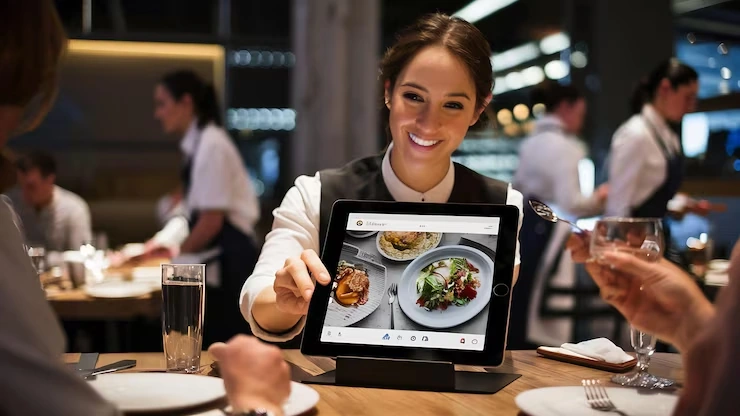
Technology has become an integral part of luxury catering, not just in kitchens but across planning, guest interaction, and event execution. While food remains at the core, digital tools are adding layers of convenience, personalisation, and efficiency that clients increasingly expect.
Smart Planning and Ordering Systems
- Event organisers are adopting AI-assisted planning platforms to manage guest preferences, dietary restrictions, and menu selections.
- According to Statista (2023), 29% of UK catering firms now use digital platforms for client bookings and menu customisation.
- Interactive booking portals allow clients to preview dishes, adjust serving sizes, and instantly see budget impacts.
Guest Personalisation Through Technology
Luxury catering is using tech to personalise experiences:
- QR Code Menus: Guests scan codes to view customised menu details, wine pairings, or allergen information.
- AI Menu Matching: Algorithms suggest dishes and drink pairings based on guest profiles and dietary needs.
- Virtual Tastings: Before the event, some caterers offer online tasting sessions via live video, helping clients finalise menus remotely.
Event-Day Technology Integration
Technology also shapes the guest experience during the event itself:
- Digital check-in systems streamline large corporate and wedding receptions.
- Smart lighting and projection mapping create dining atmospheres that shift throughout the evening.
- Catering staff increasingly use tablets for service coordination, ensuring smoother timing between courses.
Staffing and Service Trends in Luxury Catering
In luxury catering, the calibre of service staff often defines the guest experience. While menus create flavour memories, service sets the tone for hospitality, professionalism, and event atmosphere. The UK market is seeing a shift towards highly specialised staff roles to meet rising expectations.
Growing Demand for Specialised Staff
- According to UKHospitality (2023), staffing shortages in catering remain 11% above pre-pandemic levels, yet demand for premium staff has increased.
- High-end events now often include not just waitstaff but sommeliers, mixologists, cheese experts, and tea masters.
- VIP clients frequently request uniformed service teams that reflect the theme or tone of the event.
Service Styles in Luxury Catering
Different service models are shaping expectations at weddings, private gatherings, and corporate events:
- Silver Service: Traditional fine dining approach still popular for black-tie and heritage venues.
- Interactive Service: Staff engage with guests at food stations, cocktail bars, or live cooking setups.
- Blended Service Models: Weddings often feature a mix — plated starters, buffet mains, and roaming dessert trays.
Training and Professionalism
Training has become a defining feature of luxury service:
- Event planners increasingly request service staff trained in wine knowledge, etiquette, and guest interaction.
- According to a 2024 survey by the Institute of Hospitality, 52% of luxury caterers have increased investment in advanced training to retain staff.
- Upskilling staff has become essential, especially in London, where competition for talent is intense.
Regional Growth Trends in the Luxury Catering Market
While London often dominates the conversation around luxury catering, the demand for premium services is expanding across the UK. Regional differences highlight how local culture, economy, and client expectations shape catering requests.
London and the South East: The Luxury Hub
- London accounts for nearly 40% of the UK’s luxury catering spend.
- International cuisines dominate here — Japanese omakase, Middle Eastern banquets, and Mediterranean seafood are among the top-requested menus.
- High-net-worth clients in Chelsea, Mayfair, and Surrey frequently book private chef-led dinners for under 30 guests, a growing trend since 2022.
Scotland and Northern England: Heritage Luxury
- In Scotland, catering requests often showcase regional game, whisky pairings, and seafood, reflecting local heritage.
- Edinburgh and Glasgow continue to see rising demand for luxury corporate catering, especially from financial and legal firms.
- In Northern England, stately home weddings have increased, with menus featuring locally sourced produce from Yorkshire and Cumbria.
Midlands, Wales, and Countryside Estates
- The Cotswolds, Warwickshire, and rural Wales are hotspots for luxury weddings and private estate gatherings.
- Farm-to-table dining, artisanal breads, and seasonal tasting menus are highly requested.
- According to Statista (2023), private luxury event catering in the Midlands grew by 12% year-on-year, supported by demand for countryside venues.
Key Insights on Luxury Catering Service Trends in the UK
The UK’s luxury catering sector has evolved into one of the most dynamic parts of the hospitality industry, shaped by rising consumer expectations and regional diversity. Weddings, corporate events, and private gatherings continue to be the biggest demand drivers, with catering spend per head significantly higher than pre-pandemic levels.
Key Takeaways
- Weddings: Couples are prioritising curated fine dining menus, with London leading in global cuisines while Scotland and Wales highlight heritage produce.
- Corporate Events: Spending on luxury catering is rising, especially in finance, tech, and law, with interactive formats and premium wine pairings in high demand.
- Private Celebrations: High-net-worth clients are booking intimate chef-led dinners, grazing tables, and interactive food stations.
- Sustainability: Eco-conscious dining is now a default expectation, with plant-based menus, local sourcing, and food waste reduction taking centre stage.
- Experiential Dining: Presentation and engagement matter as much as flavour, with live cooking, themed décor, and storytelling menus gaining popularity.
- Technology & Staffing: AI planning tools, QR menus, and professionalised staff training are reshaping how events are planned and delivered.
- Regional Growth: London remains the luxury hub, but Scotland, the Midlands, and countryside estates are seeing rapid growth in heritage-driven and farm-to-table catering.
Luxury catering in the UK is no longer about food alone — it is about storytelling, atmosphere, and service quality that together create a lasting impression.
Why Choose Pearl Lemon Catering for Luxury Catering Services in the UK
Pearl Lemon Catering has become a trusted name in the UK for those seeking premium dining experiences that reflect elegance, quality, and attention to detail. With expertise spanning weddings, corporate events, and private celebrations, the team combines culinary artistry with flawless service to deliver truly memorable occasions.
What Sets Pearl Lemon Catering Apart?
- Custom Menus: From multi-course fine dining to heritage-inspired feasts, menus are curated to reflect each client’s unique vision.
- Regional Knowledge: Whether in London, the Cotswolds, or Scotland, Pearl Lemon Catering brings local produce and cultural flavours to the forefront.
- Service Excellence: Professional staff, including sommeliers and mixologists, ensure every guest feels valued.
- Sustainability Commitment: Ethical sourcing, plant-based options, and waste-conscious planning align with the growing demand for responsible luxury.
- Technology Integration: Digital menu previews, guest management, and seamless planning tools support stress-free event preparation.
Choosing Pearl Lemon Catering means entrusting your event to a team that understands how to merge cuisine, service, and atmosphere into one unforgettable experience.
FAQs
1. What types of events does Pearl Lemon Catering provide luxury catering for?
Pearl Lemon Catering provides luxury catering for weddings, corporate events, private celebrations, and VIP gatherings, all aligned with current luxury catering service trends.
2. Can Pearl Lemon Catering design a customised menu for my event?
Yes, menus can be customised to reflect your preferences, whether you want a fine dining tasting menu, themed buffet, or regional British dishes in line with luxury catering service trends.
3. Does Pearl Lemon Catering cover events outside London?
Absolutely. Pearl Lemon Catering delivers services across the UK, including the South East, Midlands, Scotland, and Wales, with menus reflecting regional luxury catering service trends.
4. How does Pearl Lemon Catering incorporate sustainability into luxury catering services?
Sustainability is a priority — from locally sourced produce to waste reduction and plant-based fine dining, reflecting one of the strongest luxury catering service trends in the UK.
5. Can Pearl Lemon Catering provide staff such as sommeliers or mixologists?
Yes, Pearl Lemon Catering offers specialist staff, including sommeliers, mixologists, and trained service teams, a growing part of luxury catering service trends for premium events.
6. What cuisines does Pearl Lemon Catering specialise in?
The team creates diverse menus, including modern British, Mediterranean, Asian fusion, and heritage-inspired dishes, all reflecting evolving luxury catering service trends.
7. Does Pearl Lemon Catering offer corporate catering packages?
Yes, Pearl Lemon Catering provides luxury catering packages for board dinners, networking receptions, and conferences, designed to reflect professional expectations and current service trends.
8. Can Pearl Lemon Catering manage dietary requirements?
Yes, dietary needs such as vegan, vegetarian, halal, kosher, and allergen-free menus are fully accommodated, aligning with luxury catering service trends around inclusivity and guest comfort.
9. How far in advance should I book Pearl Lemon Catering?
It’s recommended to book at least 6–12 months in advance for weddings and major events, as luxury catering service trends show rising demand across the UK.
10. What makes Pearl Lemon Catering different from other luxury caterers in the UK?
Pearl Lemon Catering stands out for its personalised menus, regional expertise, sustainability commitment, and professional service staff — all shaped by evolving luxury catering service trends.